
• Nosotros
  • Servicios
  • Contacto
  • Membresias
  • Colaboradores
martes, octubre 6, 2026
No hay resultados
Ver todos los resultados
Revista
Advertisement
  • Revista
    • Bienal 2026
    • Internacional
    • Actualidad
    • Artículos
    • Opinión
    • Crónicas
    • Entrevistas
    • Firmas
      • A cuerda pelá
      • De Guitarreras Maneras
      • Con una copla de más
      • Desde dentro
      • Estela Flamenca
      • Los Elegidos
      • Sala de Flamencas
      • Una ventana al cante
      • Firmas invitadas
    • Investigaciones
    • Archivo
  • Bienal2026
  • Internacional
  • Actualidad
  • Entrevistas
  • Opinión
  • Crónicas
  • Firmas
  • Archivo
  • Login
  • Revista
    • Bienal 2026
    • Internacional
    • Actualidad
    • Artículos
    • Opinión
    • Crónicas
    • Entrevistas
    • Firmas
      • A cuerda pelá
      • De Guitarreras Maneras
      • Con una copla de más
      • Desde dentro
      • Estela Flamenca
      • Los Elegidos
      • Sala de Flamencas
      • Una ventana al cante
      • Firmas invitadas
    • Investigaciones
    • Archivo
  • Bienal2026
  • Internacional
  • Actualidad
  • Entrevistas
  • Opinión
  • Crónicas
  • Firmas
  • Archivo
No hay resultados
Ver todos los resultados
Revista
No hay resultados
Ver todos los resultados
  • Revista
  • Bienal
  • Internacional
  • Actualidad
  • Entrevistas
  • Opinión
  • Crónicas
  • Firmas
  • Archivo

Mariano Parra, American maestro of flamenco and Spanish dance, has died at 91

Estela Zatania por Estela Zatania
30 marzo 2024
Tiempo de lectura: 3 mins
270
A A
0
Mariano Parra. Foto: Archivo de familia

Mariano Parra. Foto: Archivo de familia

547
Compartir
1.6k
Vistas
Share on Facebook
Share on Twitter
Comparte por correo
Comparte en Whatsapp
Comparte con ChatGPT
Comparte con Perplexity

Born in 1933 to an Andalusian father and Russian mother, Mariano was raised in the United States outside of Pittsburgh among immigrant factory and steel mill workers. After seeing an announcement in the local paper, his father, a steelworker, piled the family into the car and drove to Pittsburg to see José Greco. That night Parra decided to become a Spanish dancer.  

ArtículosRelacionados

Don Antonio Chacón.

De cómo la música tradicional se disolvió en el flamenco

3 abril 2025
Reyes Carrasco y Rubén Lara. Peña La Platería, Granada. 29 Marzo 2025. Foto: Carlos Fernández - ExtampasFlamencas.com

Juventud radiante de Reyes Carrasco

31 marzo 2025
Recital de Bonela Hijo. Peña La Bambera, Sevilla. 22 marzo 2025. Foto: Kiko Valle

Bonela hijo: el cante con personalidad

24 marzo 2025


After high school, his ballet teacher, Karl Heinrich, recommended him for a summer scholarship to Jacob’s Pillow. There, while studying with Ted Shawn and Joseph Pilates, he met Russell Meriweather Hughes, La Meri, the famed proponent of “ethnic dance”, who would become his mentor. She was a modernist like Antonia Mercé, La Argentina, who embodied her portrayals in the line of the spine and of the head, thus bringing modern dance techniques to non-Western forms.


Mariano absorbed everything he could at Jacob’s Pillow, but the form that called him most deeply was Spanish dance. Back in Ambridge, while working on the Pennsylvania Railroad, he practiced castanets and footwork in empty train cars on his lunch break. He saved up and finally moved to New York, embarking on a four- year course of study with La Meri in the studio she had taken over from Isadora Duncan and later Ruth St. Denis on 59th St. He also studied ballet with Tudor, modern dance with Graham, and Spanish dance with Juan Martínez. Like Carmen Amaya, Antonio Triana, Encarnación López, La Argentinita, her sister Pilar López, Florence Pérez Padilla and Antonio Ruiz Soler, Rosario and Antonio, and many lesser interpreters, Juan Martínez was an émigré fleeing the Spanish Civil War.
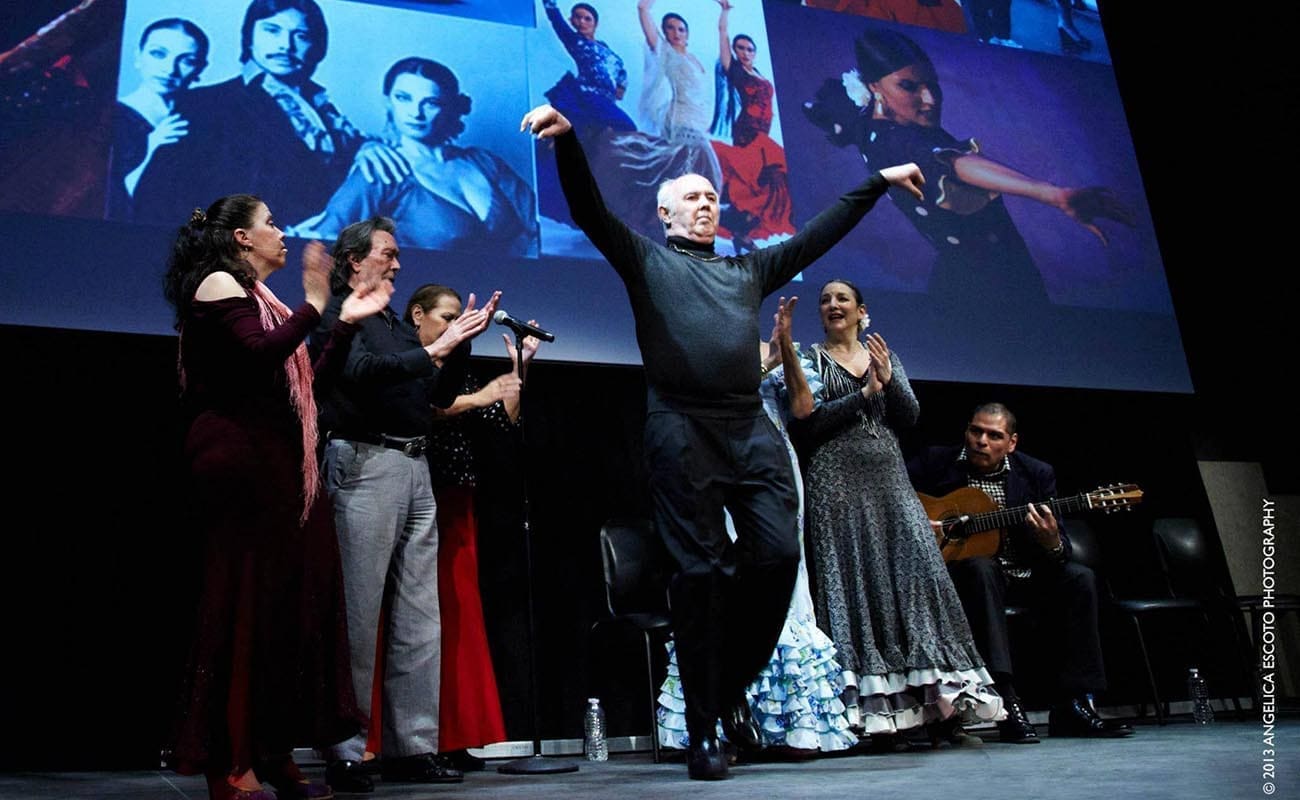


Mariano Parra, en el Lincoln Center, 2013. Foto: Angelica Escoto
Mariano Parra, Lincoln Center, 2013. Photo: Angelica Escoto


Mariano was only 26 when he founded his own company, along with his sisters, dancers Mariana and Inés and his brother Juan, a guitarist. With his partner Jerane Michel, he debuted in New York’s Carnegie Hall in 1957. In keeping with the tenets of the great Spanish ballets of the day, Mariano presented a full spectrum of Spanish dance, including folk dances of various regions, neo-classical dances to the great Spanish composers like Nin, Turina, Granados, Albeniz and Falla and, of course, flamenco. In 1964, Parra rented a studio at West 20th St., where modern dancer Jeff Duncan also had a studio. They were broke, but Parra and Duncan organized a series of informal concerts, “Mondays at 9”.


In the late 60s, Mariano travelled to Spain to study with Francisca González, La Quica, the wife of the great turn-of-the-century dancer Francisco León, Frasquillo, who also taught Antonio Ruiz Soler. While in Madrid, Mariano began intensive study with Luisa Pericet, matriarch of a renowned family of dancers of the escuela bolera, the Spanish school of classical dance. With his ballet technique, Mariano was a quick study. With his humility and passion, he was able to absorb the stylistic nuances of this exquisite form. Luisa asked him to stay and teach in her studio, but Mariano returned to New York in the early 70s, introducing a new generation of Spanish dancers to the escuela, including Matteo Marcellus Vittuci, Mateo (already working as a duo with Carol Weller, Carola Goya), and Roberto Bobby Lorca, co-founder of Flamenco Vivo Carlota Santana. Mariano toured through the early 1980s, and later devoted himself to teaching. A respected authority in all genres of Spanish dance, Mariano consulted and choreographed for several major New York-based companies, such as Gabriela Granados’ American Bolero Dance Company and Flamenco Vivo Carlota Santana. His vast knowledge of flamenco and Spanish dance will be greatly missed.


* Ninotchka Bennahum, K. Meira Goldberg and Estela Zatania collaborated in the preparation of this article.
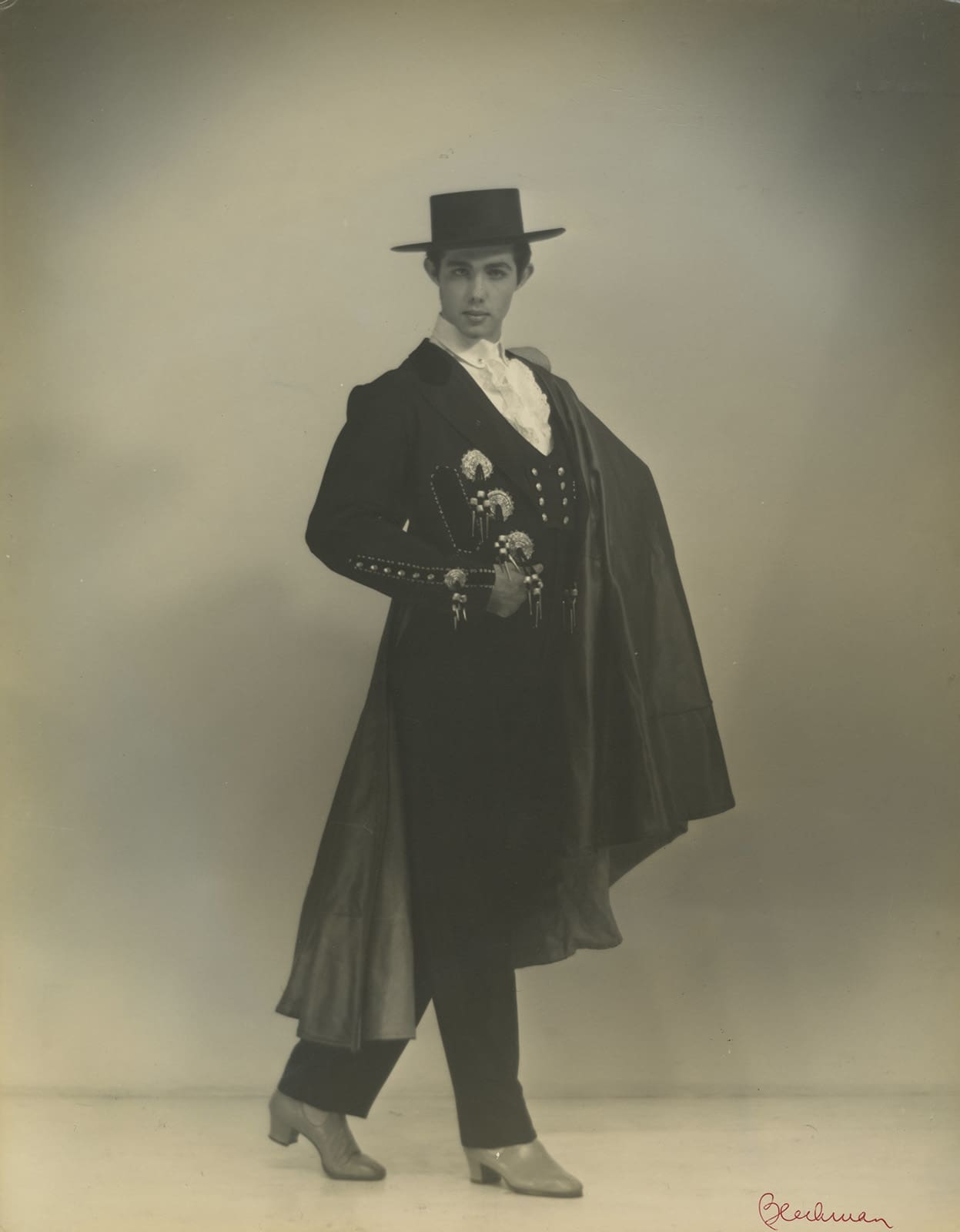


Mariano Parra. Foto: Archivo de familia


Estela Zatania

Estela Zatania

Jerezana de adopción. Cantaora, guitarrista, bailaora y escritora. Flamenca por los cuatro costados. Sus artículos han sido publicados en numerosas revistas especializadas y es conferenciante bilingüe en Europa, Estados Unidos y Canadá.

Artículos Relacionados

New York Public Library for the Performing Arts
Firmas

Flamenquify. Un verbo nos ha nacido. ¿Cuajará?

por ExpoFlamenco
5 octubre 2026
De la jota a las alegrías / ExpoMúsica #15 con Faustino Núñez
Firmas

De la jota a las alegrías / ExpoMúsica #15 con Faustino Núñez

por Faustino Núñez
28 septiembre 2026
Portada del álbum 'De raíz', del guitarrista onubense Manuel de la Luz.
Firmas

Manuel de la Luz: la clave y la raíz de un maestro

por Irra Torres
18 septiembre 2026
Seguiriyas cabales versus guajiras / ExpoMúsica #14 con Faustino Núñez
Firmas

Seguiriyas cabales versus guajiras / ExpoMúsica #14 con Faustino Núñez

por Faustino Núñez
16 septiembre 2026
Miguel Funi, en Las Cabezas de San Juan, 2001. Foto: Estela Zatania
Firmas

Acrobacia jonda

por Estela Zatania
10 septiembre 2026
Antecedentes y consecuentes del fandango del Albaicín / ExpoMúsica #13 con Faustino Núñez
Firmas

Antecedentes y consecuentes del fandango del Albaicín / ExpoMúsica #13 con Faustino Núñez

por Faustino Núñez
6 septiembre 2026
Concurso Nacional de Cante Jondo Antonio Mairena. Mairena del Alcor, Sevilla. 5 sep 2026. Foto: Kiko Valle / Festival Mairena
Firmas

Aurora Vargas ilumina Mairena del Alcor a pesar de la lluvia

por Juan Garrido
6 septiembre 2026
Siguiente artículo

La sintaxis del cante (y 3): ¡vente conmigo, dile a tu mare que soy tu primo!

Deja una respuesta Cancelar la respuesta

Tu dirección de correo electrónico no será publicada. Los campos obligatorios están marcados con *

Banner Manolo Sanlucar
Banner Bienal San Roque
Banner Lateral Academia
Banner Laterla FAN

La Voz del Flamenco en el Mundo. 

Sigue a ExpoFlamenco

Facebook X-twitter Instagram Youtube Whatsapp
  • Términos y condiciones
  • Política de privacidad
  • Política de cookies
  • Aviso Legal
  • Términos y condiciones
  • Política de privacidad
  • Política de cookies
  • Aviso Legal
  • Nosotros
  • Servicios
  • Contacto
  • Membresias
  • Colaboradores
  • Nosotros
  • Servicios
  • Contacto
  • Membresias
  • Colaboradores

© 2015 - 2026 expoflamenco . Todos los derechos reservados.

Ok

Recuperar la contraseña

Introduce tu nombre de usuario o dirección de correo electrónico para restablecer tu contraseña.

Log In
No hay resultados
Ver todos los resultados
  • Login
  • Espacio
  • Agenda
  • Academia
  • Comunidad
  • Podcast
  • TV
  • Shop

© 2015- 2026 ExpoFlamenco
La Voz de Flamenco en el mundo.